Fairfield County's Interventional
Psychiatry Specialists
Take back control
from the past.
Prism trains your brain to calm its own fear response. No medication required. A first-of-its-kind PTSD program led by Stanford-trained psychiatrist Dr. Thomas Knightly in Stamford, CT.
No referral needed · Appointments available this week · Private and judgment-free
Covered by most major
US health insurers.







Don't see your plan listed? Give us a call and we'll confirm your coverage.
Many patients pay between $0 and $25 per session, depending on the plan. We verify your exact cost for free and handle prior authorization.
4.9 Google Rating
Stanford-Trained Leadership
FDA-Backed Treatments
No Referral Needed
Structured. Measurable.
Yours.
67%
clinically significant improvement
32%
reached remission
90%
patient compliance
Improvement was seen across all symptom clusters, including sleep. You're awake and in control the whole time, and you never have to re-live your trauma out loud.
MULTI-CENTER STUDY, MEASURED 3 MONTHS AFTER THE 15-SESSION COURSE · FRUCHTER ET AL., PSYCHIATRY RESEARCH, VOL 333, 2024
Always on guard.
Never at rest.
The flashbacks. The nightmares. The jumpiness that never fully turns off. Avoiding places, people, and conversations that might bring it back.
PTSD is not a weakness and it's not permanent. Your brain learned to protect you. With Prism, it can learn to stand down: during sessions you watch a screen that responds to your own brain activity, and as you practice calming techniques, you watch your brain's fear center settle. Over a series of sessions, that skill becomes yours.
What a Prism session
actually involves.
No talking through your trauma. No medication in the session itself. Here is how it works.
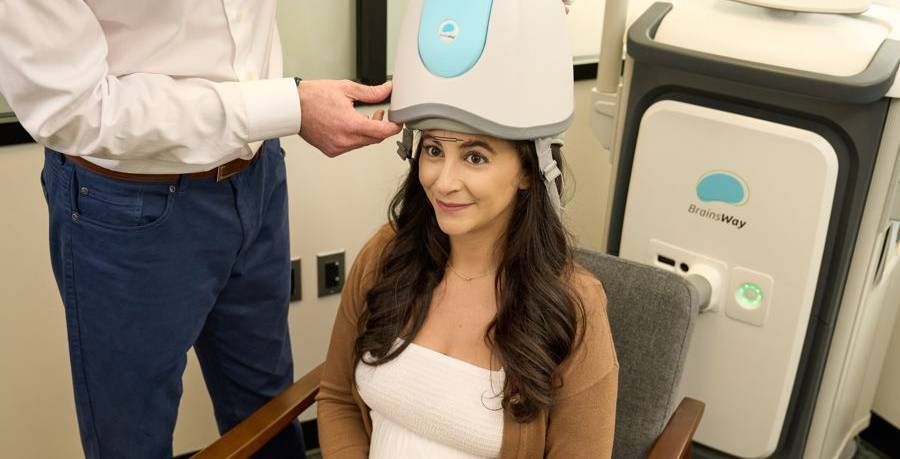
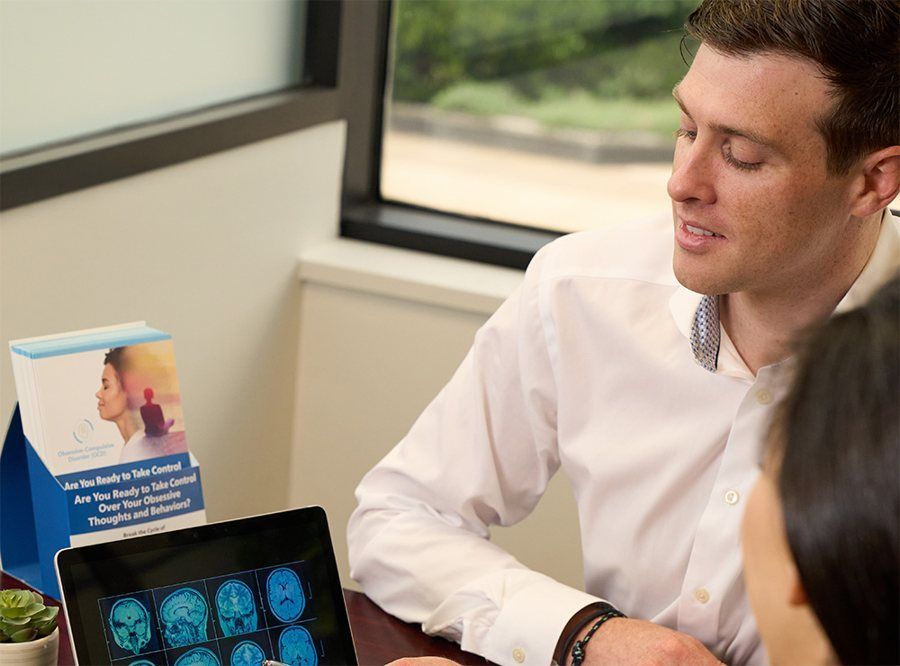
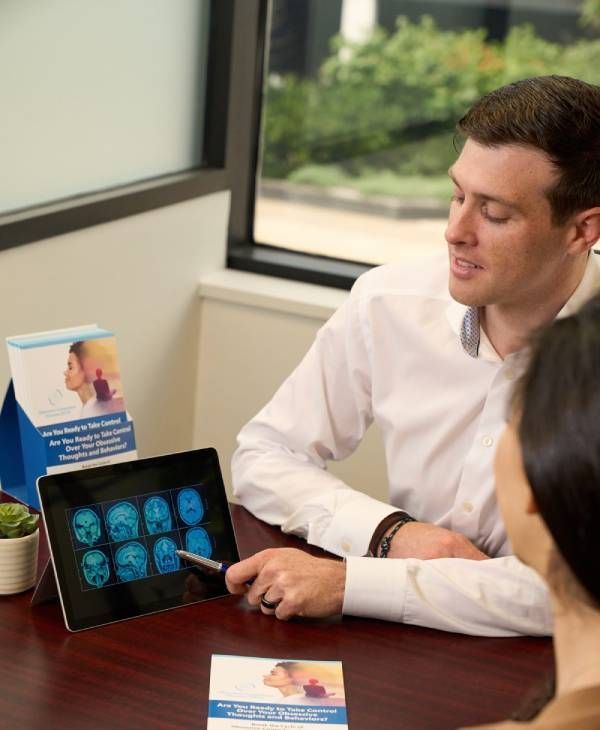
A quiet room, a screen, and a trained specialist with you.
Evaluation and prescription
A clinical evaluation confirms Prism is right for you, and your provider writes the prescription.
15 sessions over 8 weeks
45 minutes per session. Booster sessions afterward if you need them.
Cap on, screen on
You wear a soft EEG cap and watch animated characters that respond to your own brain activity in real time.
Finding your strategy
You use a personal memory, emotion, or experience to calm your amygdala. As it settles, the characters on screen quiet down.
Never on your own
A trained Prism specialist monitors every session.
Prism isn't the
only option.
PTSD often travels with depression. Depending on your evaluation, your plan may include one or more of these.
Prism for PTSD
- Trains your brain to regulate its fear response
- No medication, no sedation
- You don't have to talk about what happened
TMS or Spravato
- FDA-backed treatments for the depression that often accompanies PTSD
- Covered by most major insurance
I struggled with severe depression for years and tried many medications with little success. I did the research and found Evolve Brain Health. I completed accelerated TMS and I feel better. I never thought I'd say that. You will not find a more kind and empathetic staff.
★★★★★ Lawrence B. · Google review
Founded by a Stanford Brain Stimulation Lab
psychiatrist.
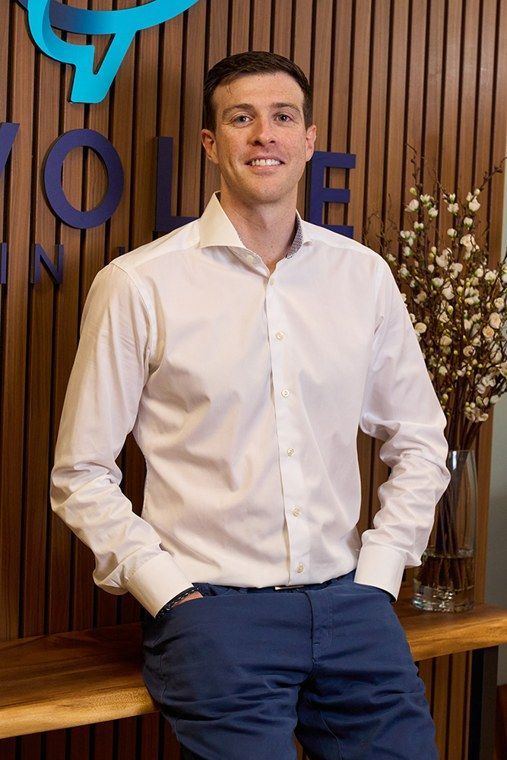
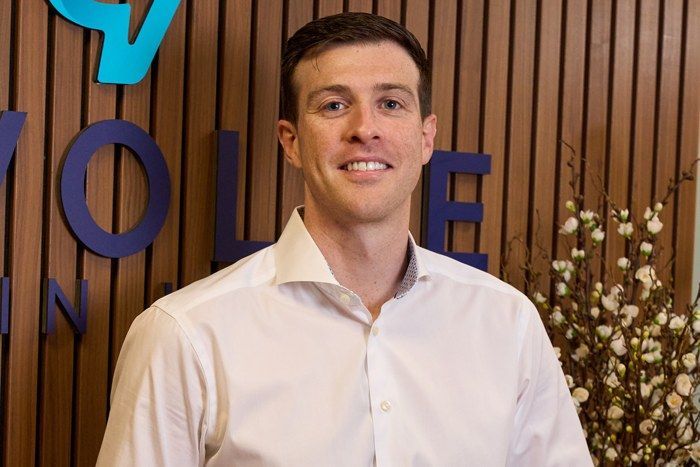
Dr. Thomas Knightly
Founder & Medical Director · Evolve Brain Health
Evolve was founded by Dr. Thomas Knightly: Stanford graduate, clinical assistant professor at Stanford, and member of the Stanford Brain Stimulation Lab, the research group behind the accelerated TMS protocols now transforming depression care. Every treatment plan at Evolve is physician-designed and personally overseen.
Your care is delivered by clinicians personally trained and supervised by Dr. Knightly, following the standards and protocols he sets for every patient at Evolve.
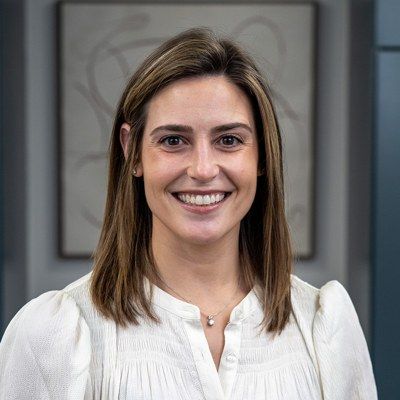
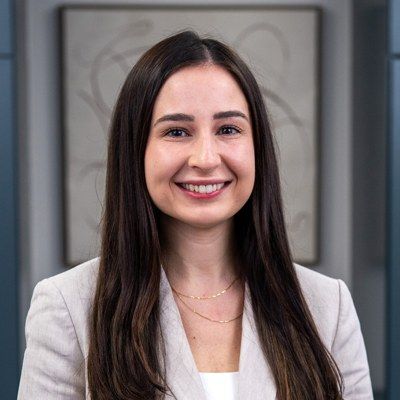
Julianne Vesciglio
PMHNP
Renee Fontaine
PMHNP
A calm place
to get better.
No hospital feel. Private treatment rooms, comfortable chairs, and a team that knows you by name.

Waiting Area
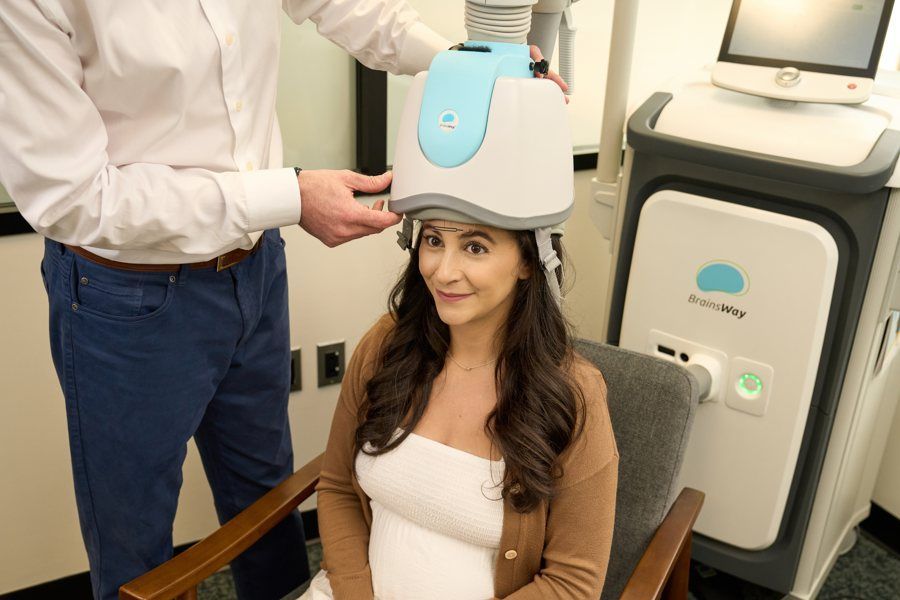
Prism Session Room
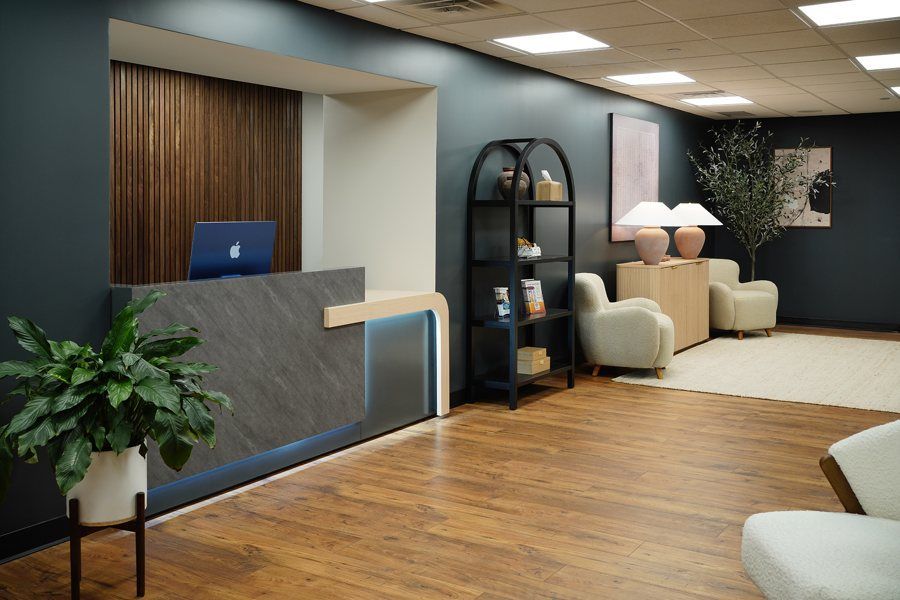
Reception
From people who've been here.

Frequently Asked Questions
Do I have to talk about my trauma?
No. Prism doesn't require you to recount what happened. You practice calming skills while watching your brain's response in real time.
Is Prism covered by insurance?
Coverage for Prism varies by plan. We review your options and exact costs with you for free before you commit to anything. TMS and Spravato, which often pair with PTSD care, are covered by most major plans.
Does it work with therapy I'm already doing?
Yes. Prism complements talk therapy and EMDR. Many patients do both.
Do I need a referral or a PTSD diagnosis?
No referral is needed. If you don't have a formal diagnosis, our clinical team can evaluate you.
Is this only for veterans?
No. PTSD comes from many kinds of trauma: accidents, assault, loss, medical events, childhood experiences. All of it belongs here.
What if I also have depression?
That's common, and it's exactly what our evaluation sorts out. Your plan may combine Prism with TMS or Spravato, which are covered by most major insurance.
You've tried waiting it out.
Try something different.
Free 10-minute consultation. No pressure, no obligation.
No obligation. Same-day call or text back.
Your consult is a relaxed 10-minute call. No pressure, no questions you aren't ready for, and no commitment.
Prefer to schedule a call? Pick a time now or call or text (203) 439-5050